
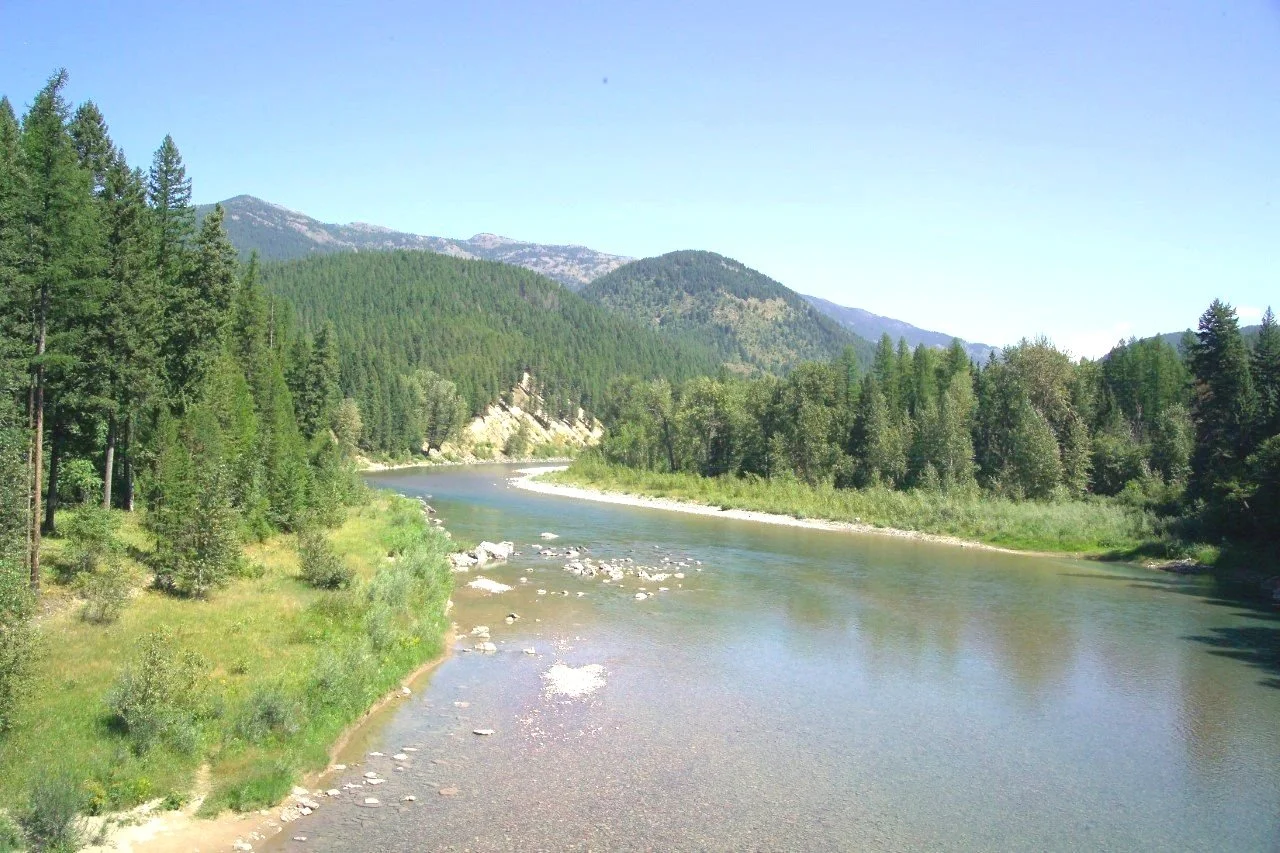
Landscape Features
As we plan for the future of the Crown landscape—one that supports healthy wildlife populations, resilient ecosystems, and strong communities—we focus our work on a set of “Landscape Features.” These are elements of the landscape that help us understand overall ecosystem health and function. They include broad ecological features, like habitat types and connectivity, as well as more specific ones, such as individual species. They also include important social, cultural, and economic features connected to the people of the Crown.
The 15 ecological features were selected by the Leadership Team through a structured process that considered management plans, expert input, conservation status, and the features most commonly being conserved by partners across the landscape at the time. These features are not meant to be more important than others, but rather to serve as useful indicators of ecological condition. Social, cultural, and economic features are currently being developed by a dedicated subteam.
Fine ecological Features (Species)

GRIzzly bear

Wolverine

Canada Lynx

Westslope Cutthroat Trout

Bull Trout

Mule Deer

Rocky Mountain Elk

Whitebark Pine
Coarse Ecological Features (habitat types)

Forest

Grassland

Shrubland
.

Riparian
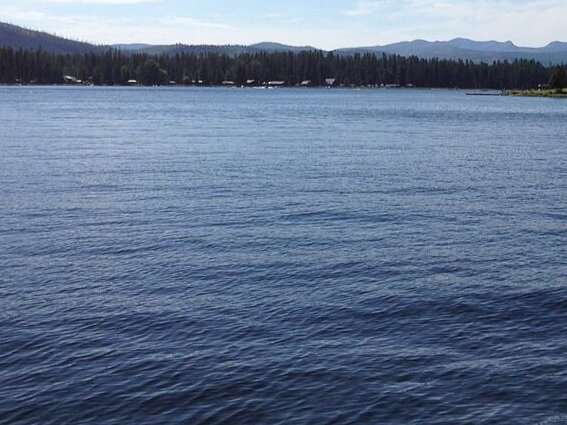
Water

Wetland

ecological connectivity
Coming Soon
Social, Cultural, and Economic Features
The Social, Cultural, and Economic Features subteam is developing these features. We will share our work here in the upcoming months.
Anne Carlson - Glacier Two Medicine Alliance
Kelly Cooley - CoolPro Solutions
Michael Durglo - Confederated Salish and Kootenai Tribes
Elliot Fox - Kainai First Nation
Mary McClelland - West Glacier, MT
Mary Riddle - Glacier National Park
Erin Sexton - Flathead Lake Biological Station
Connie Stevens - Yellowstone to Yukon Initiative
Amber Zary - Alberta Environment and Parks